
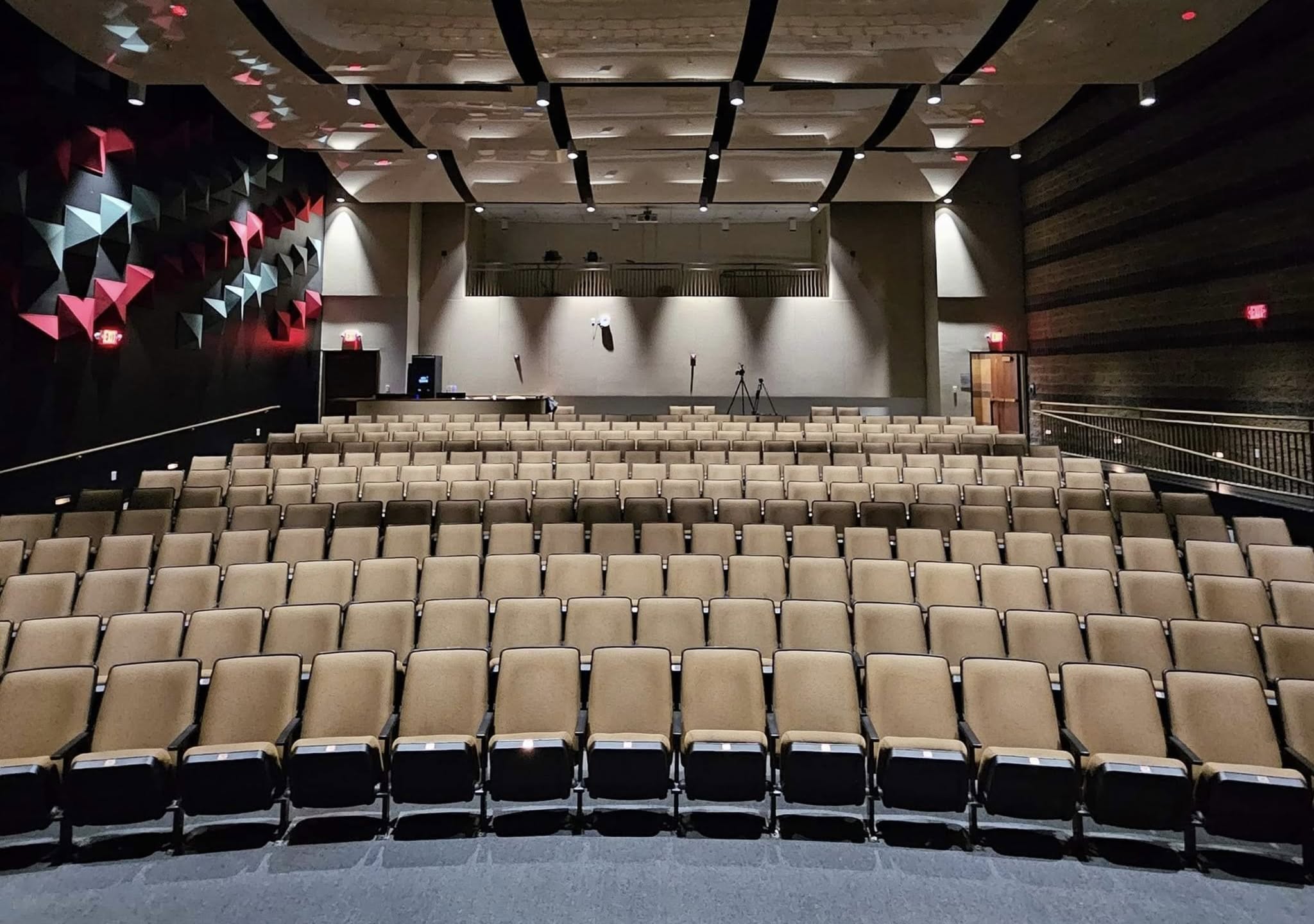
The African American Performing Arts Center
The African American Performing Arts Center offers unique and affordable venue rental opportunities for performances, educational events, conferences, lectures, community gatherings, corporate meetings, film screenings, cultural programs, and special events. Located within Expo New Mexico, AAPAC provides a professional setting that combines accessibility, cultural significance, and flexible event space.
New streaming technology expands AAPAC’s reach across New Mexico
Press Release: September 21 2026
New streaming technology installed at the African American Performing Arts Center (AAPAC) in Albuquerque, New Mexico is creating opportunities for artists, educators, performers and community organizations to reach audiences across New Mexico from the Albuquerque theater. The new equipment expands the potential of the African American Performing Arts Center and Exhibit Hall (AAPAC) beyond its physical location at Expo New Mexico. The theater can now serve not only audiences attending events in person, but also viewers in communities throughout the state through livestreamed and recorded programming.
“For years, the question has been what we can bring into this building? This technology allows us to start asking what we can send out from it,” said Gene Grant, executive director of the New Mexico Office of African American Affairs. “A spoken-word artist, dancer, educator or community organization should be able to stand on the AAPAC stage in Albuquerque and potentially reach African American families in Farmington, Clovis, Hobbs, Las Cruces or anywhere else in New Mexico.”
The technology opens possibilities across a broad range of community programming.
A New Mexico artist could present a gallery talk or conversation about a new exhibition. A poet or spoken-word performer could share original work with audiences around the state. Dance companies, musicians and theatrical groups could extend performances beyond the people able to attend in person.
Educators and community organizations could use the facility for workshops, lectures, panel discussions and conversations on African American history and contemporary issues. Children’s programming could connect young people with storytelling, arts, music and educational activities. Business owners and entrepreneurs could participate in streamed workshops and demonstrations. Health professionals and community advocates could use the same capability for public education and conversations affecting African American families.
The opportunity is particularly important in a state as geographically large as New Mexico. African American residents outside Albuquerque may not always be able to travel several hours to attend a performance, workshop or community conversation. Streaming provides another way to bring those experiences to them.
“This is not about replacing the experience of being together in a theater,” Grant said. “It is about removing geography as a barrier. If something important is happening on this stage, someone living hundreds of miles from Albuquerque should have an opportunity to be part of it.”
The new capability also creates opportunities for collaboration among communities. OAAA envisions AAPAC increasingly serving as a platform where artists, educators, young people and organizations from different parts of New Mexico can share their work and ideas with one another. That could include a local artist introducing an exhibition, young people presenting a performance or project, a community leader hosting a conversation, an educator teaching African American history or an organization producing a program that can be seen well beyond the room where it originates.
The New Mexico Office of African American Affairs sees the new streaming capability as another tool for making AAPAC a more active, accessible and statewide cultural resource.
“We want people in our community to begin thinking about what they could do with this,” Grant said. “The stage is here. The technology is here. Now we want to see the ideas that the community will bring to it.”
About the new AAPAC streaming system
AAPAC’s new streaming system was selected not only for professional-quality video, but also for accessibility and ease of use. The system includes three PTZ (“pan, tilt and zoom”) cameras that can be controlled from a central joystick, allowing a single operator to move among cameras, change angles and move from wide shots to close-ups without requiring camera operators stationed throughout the theater.
The joystick gives an operator direct control over camera movement and zoom, much like operating a traditional camera from a remote production position. Camera positions can also be saved as presets, allowing an operator to quickly move from, for example, a full-stage view to a podium, performance area or seated discussion without manually rebuilding each shot.
The cameras also include automatic tracking and framing capabilities. A camera can be set to follow a designated presenter as that person moves across the stage, reducing the amount of manual camera operation required. That can be particularly useful for a lecturer moving between a podium and presentation screen, a teaching artist working with children, a spoken-word performer moving around the stage or an instructor conducting a demonstration.
For performances such as dance, theater and music, the system’s pan, tilt and zoom capabilities can provide both full-stage views and closer shots of individual performers or areas of the stage. For panel discussions and educational programs, preset camera positions can make it easier to move between a wide view and individual speakers. For gallery programming, an artist could speak about an exhibition while the cameras provide closer views of the artist, artwork or conversation.
Most importantly for community use, the system is designed to make sophisticated video production possible with a much smaller production team. Automated tracking saved camera positions and centralized joystick control can reduce the technical barrier between having an idea for a program and being able to share it with an audience. That accessibility is central to OAAA’s vision for the equipment. A community organization should not need to arrive at AAPAC with a television production crew to imagine using the facility. With appropriate orientation to the system, an educator, artist, nonprofit, youth organization or community group can focus more of its attention on the program itself while the technology helps manage the production.The result is a flexible production space capable of supporting everything from a single speaker or storyteller to a panel discussion, children’s program, dance performance, educational workshop, artist conversation or community forum and extending that program beyond the theater to viewers throughout New Mexico.
Theater Features
The AAPAC Theater features:
- Approximately 300 fixed theater seats
- Professional stage
- Stage lighting system
- Audio and sound capabilities
- Projection capabilities
- Backstage support areas
- ADA-accessible seating and facilities
- Convenient parking through Expo New Mexico
- Brand new livestreaming capabilities
The theater is ideal for:
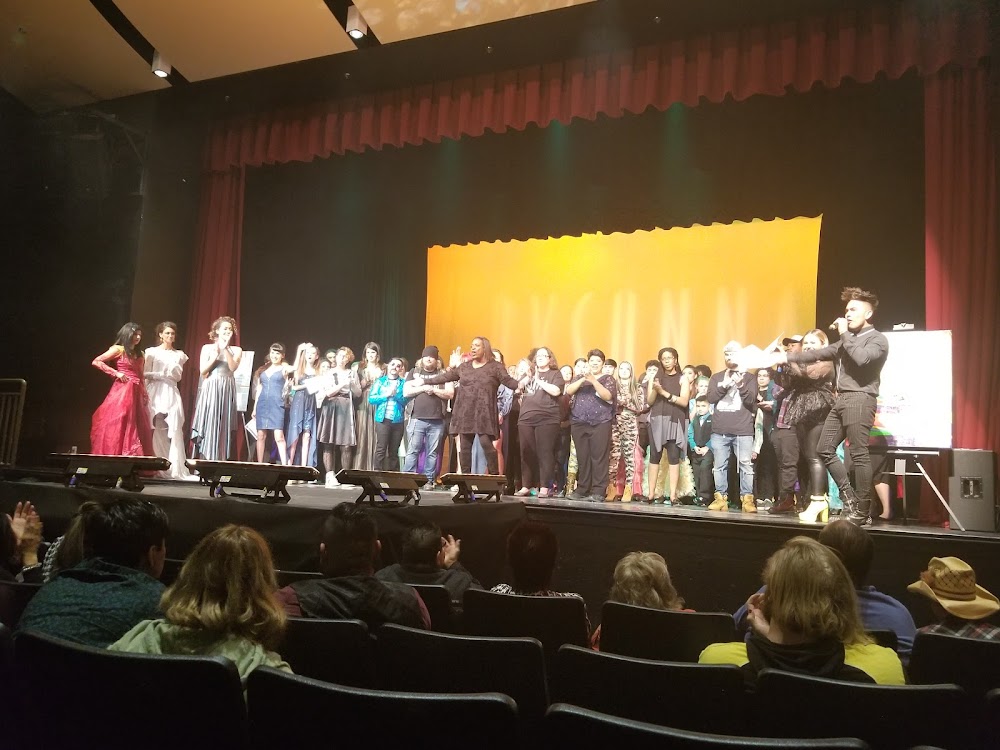
- Concerts and musical performances
- Community theater productions
- Film screenings
- Educational presentations
- Candidate forums and public meetings
- Conferences and symposiums
- Dance performances
- Cultural celebrations
Exhibit Hall Features
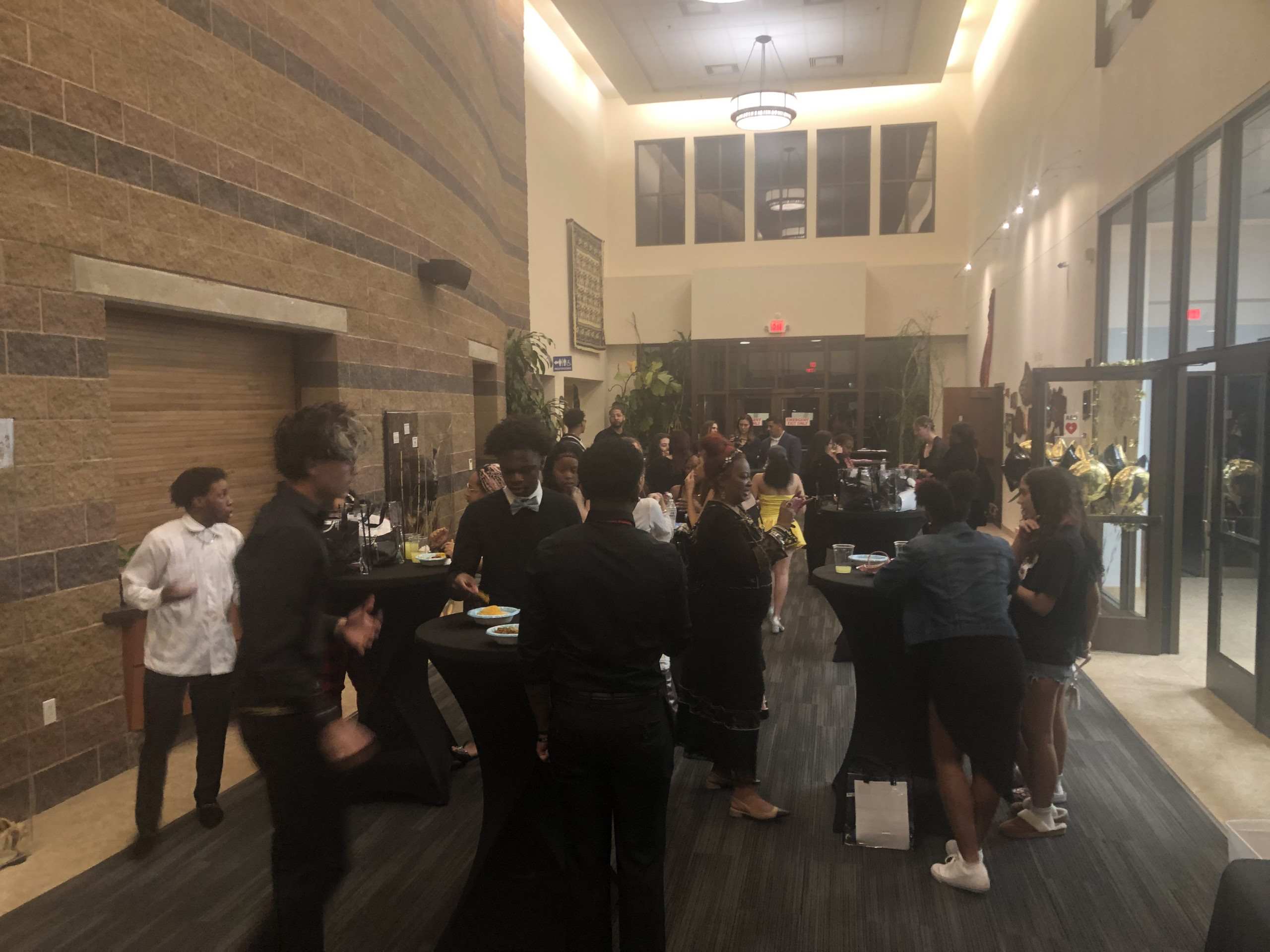
The 2,700-square-foot exhibit hall provides a flexible space for:
- Art exhibitions
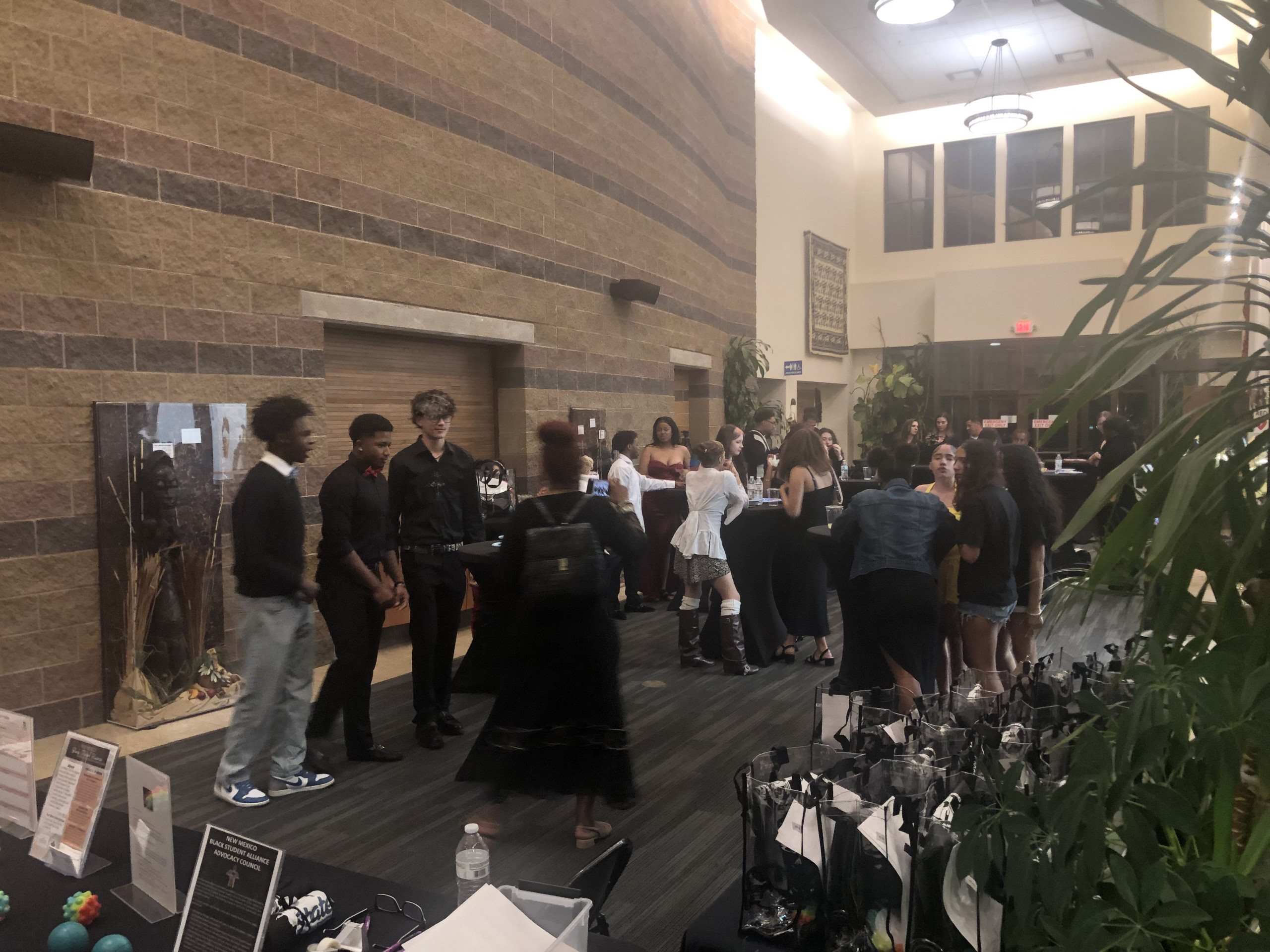
- Receptions
- Community gatherings
- Educational exhibits
- Vendor fairs
- Workshops and training events
- Networking functions
- Cultural showcases
The open floor plan allows organizers to configure the space to meet a variety of event needs while maintaining a welcoming environment for guests and participants.
Planning Your Event
Event producers are encouraged to consider:
- Expected attendance
- Seating requirements
- Audio/visual needs
- Lighting requirements
- Setup and breakdown schedules
- Rehearsal time
- Accessibility accommodations
- Vendor and catering needs
- Security requirements
- Parking considerations
AAPAC staff and Expo New Mexico personnel can help guide organizers through available options and facility requirements to ensure a successful event experience.
Rental Information
To inquire about availability, rental rates, technical specifications, event requirements, and scheduling, please contact: Raina Bailey of Expo New Mexico at Raina.Bailey@expo.nm.gov.